Seven inches is one of those measurements that sounds easy to picture until you try to imagine it without a ruler. It is longer than a standard smartphone’s width, shorter than many dinner plates, and close to the length of several everyday items you probably handle without thinking about their dimensions.
You might need to understand 7 inches when shopping for a tablet, measuring a small household item, checking a product’s dimensions, or working on a DIY project. Knowing a few familiar comparisons can make the measurement much easier to estimate.
The good news is that you do not need a measuring tape to get a reasonable idea of this length. Common objects such as pencils, kitchen utensils, and small tools can help you develop a practical sense of the distance.
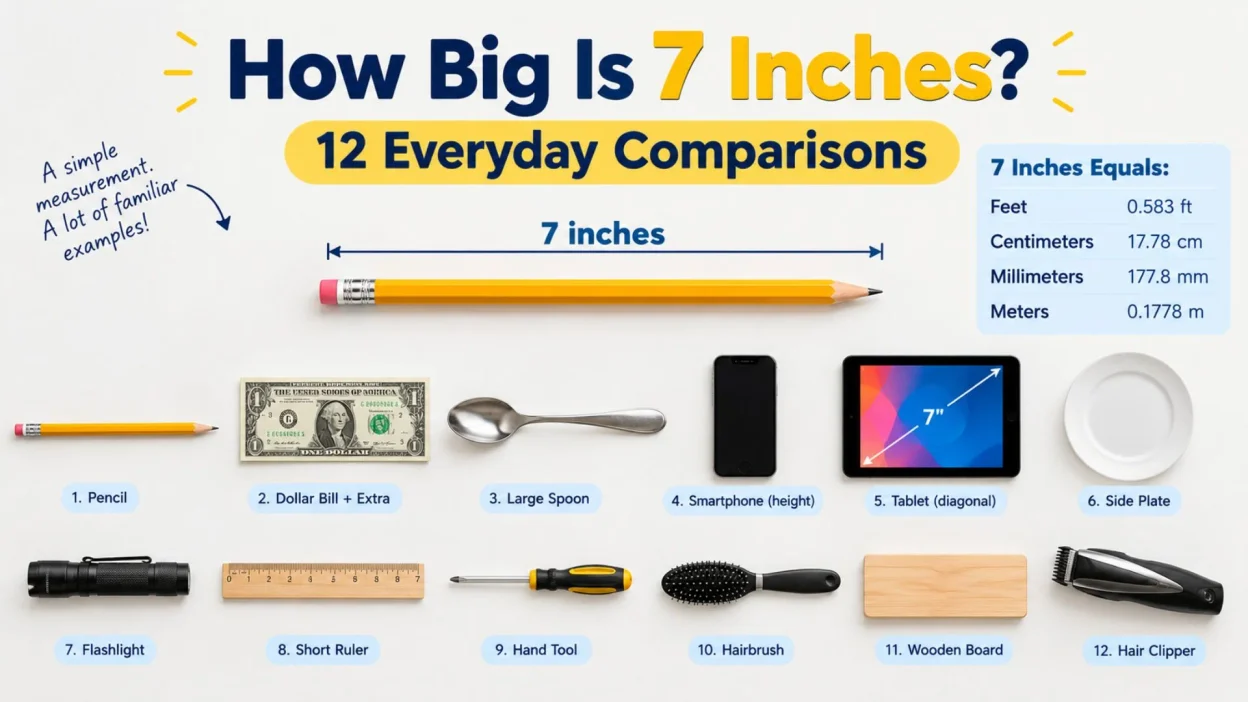
7 inches equals 0.583 feet, 17.78 centimeters, 177.8 millimeters, and 0.1778 meters. It is just under 18 centimeters, making it a convenient size to visualize using familiar household objects.
Every Unit 7 Inches Converts To
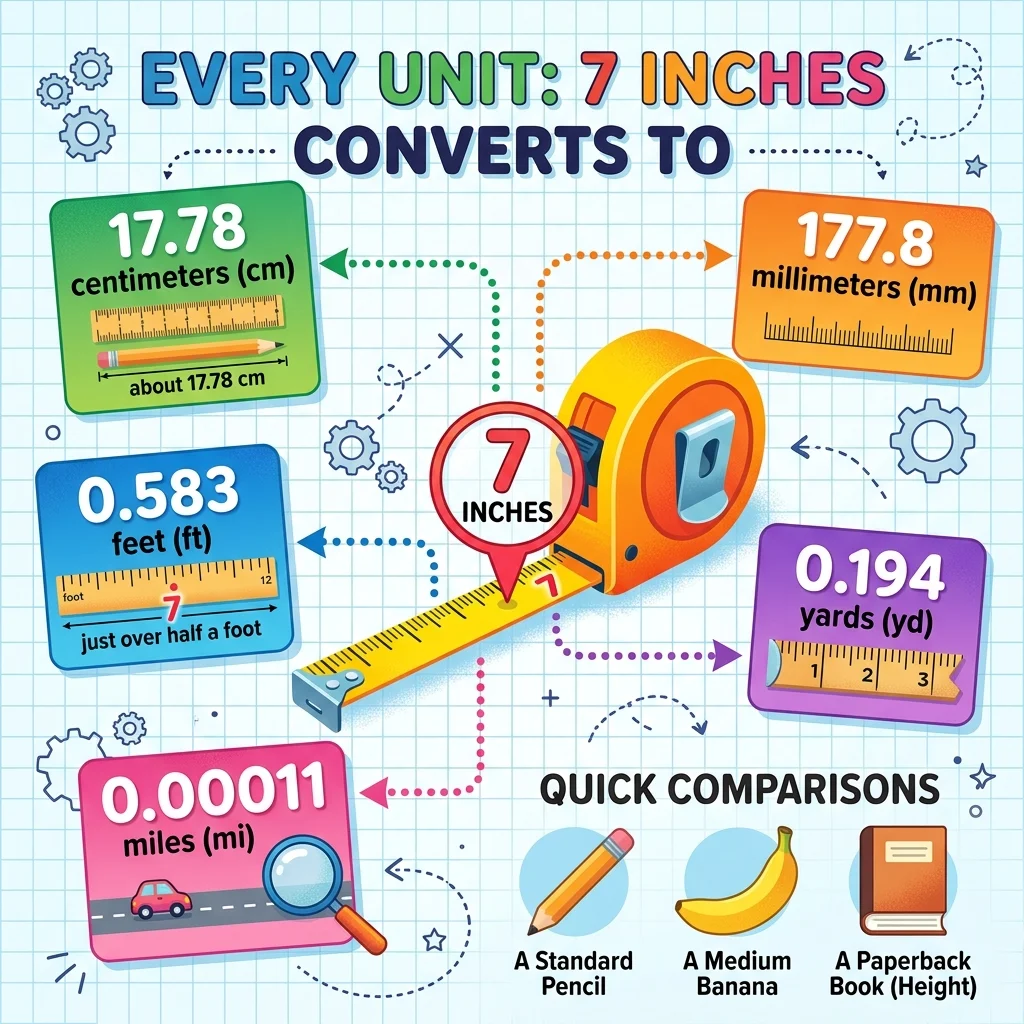
The inch is a standard unit of length in the imperial and US customary measurement systems. Although inches are commonly used in the United States, centimeters and millimeters are more familiar in many other countries.
Here is how 7 inches translates into other useful units.
| Unit | Equivalent of 7 Inches |
|---|---|
| Inches | 7 in |
| Feet | 0.5833 ft |
| Feet and inches | 0 ft 7 in |
| Centimeters | 17.78 cm |
| Millimeters | 177.8 mm |
| Meters | 0.1778 m |
| Yards | 0.1944 yd |
| Kilometers | 0.0001778 km |
| Miles | 0.0001105 mi |
How to Calculate 7 Inches in Different Units

Converting inches is straightforward once you know the basic formulas.
To convert 7 inches to feet: Divide 7 by 12 because one foot contains 12 inches.
7 ÷ 12 = 0.5833 feet, approximately.
To convert 7 inches to centimeters: Multiply the measurement by 2.54, since one inch equals exactly 2.54 centimeters.
7 × 2.54 = 17.78 cm.
To convert 7 inches to millimeters: Multiply the centimeter measurement by 10.
17.78 × 10 = 177.8 mm.
To convert 7 inches to meters: Divide the centimeter measurement by 100.
17.78 ÷ 100 = 0.1778 meters.
These conversions are useful when reading product specifications, following craft instructions, comparing international measurements, or checking the dimensions of an object sold online.
Where 7 Inches Fits on a Common Size Scale
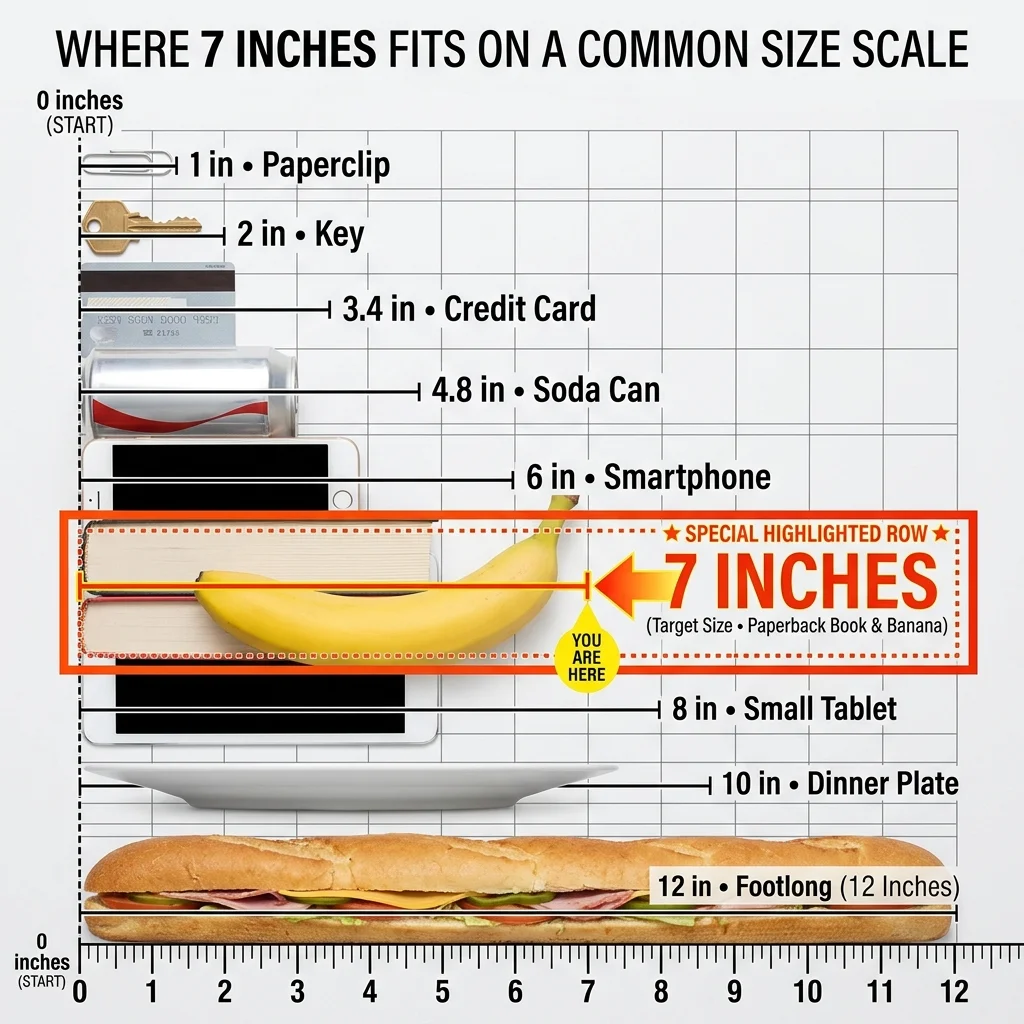
A length of 7 inches occupies a useful middle ground between small handheld objects and larger household items.
It is long enough to be noticeable but short enough to fit comfortably in one hand for many people. At 17.78 cm, it is also a little shorter than the length of a typical adult hand measured from the wrist crease to the tip of the middle finger, although hand sizes vary considerably.
For a more practical sense of scale, compare it with these familiar measurements:
- A sheet of A4 paper: The shorter side measures 8.27 inches, so 7 inches is 1.27 inches shorter.
- A standard US dollar bill: A US banknote measures approximately 6.14 inches long, making 7 inches about 0.86 inches longer.
- A standard 12-inch ruler: Seven inches covers a little more than half its length.
- A typical dinner plate: Many dinner plates measure around 10–12 inches across, making 7 inches noticeably smaller.
- A standard pencil: A new wooden pencil is often around 7–8 inches long, depending on its design and manufacturer.
These comparisons are reference points rather than universal standards. Actual dimensions can vary by product, brand, and intended use.
12 Everyday Things That Measure Around 7 Inches
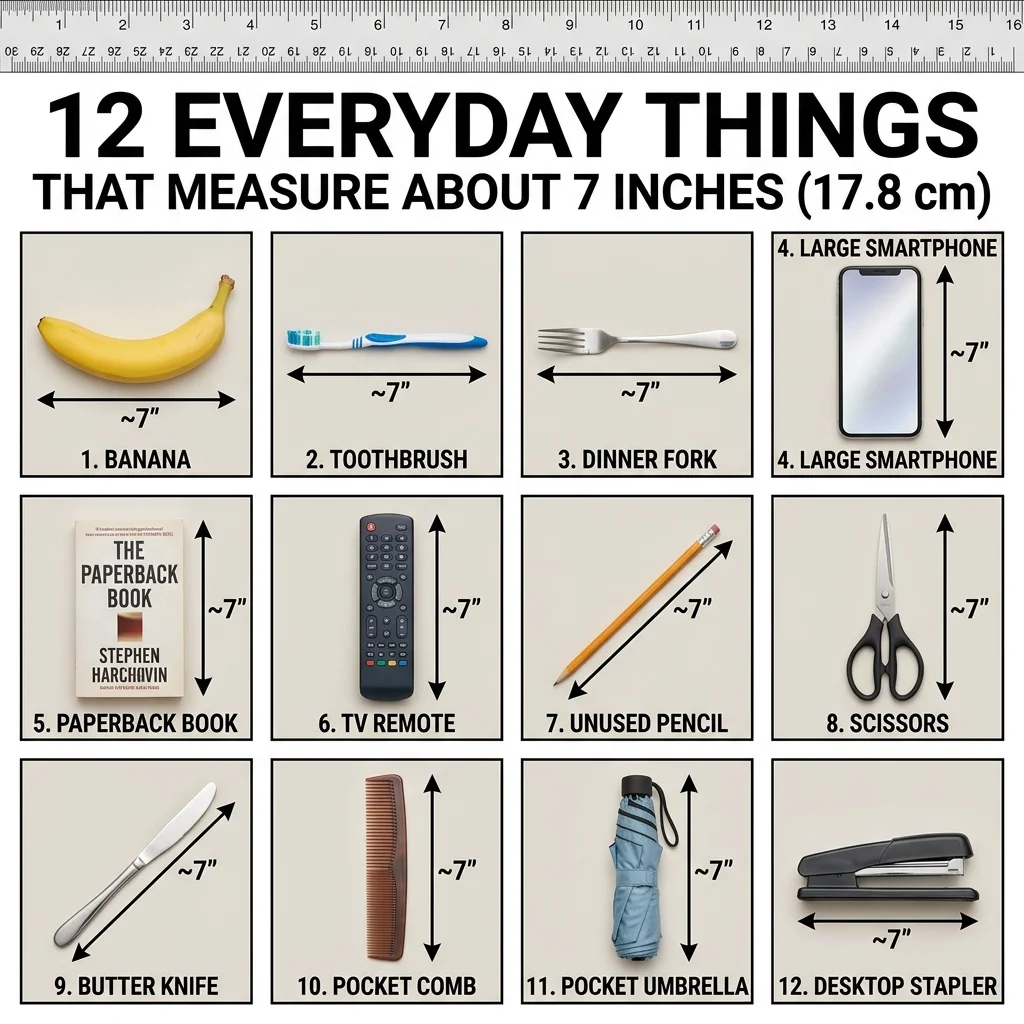
The easiest way to remember a measurement is to connect it to something you can see or hold. The following examples offer practical ways to imagine a length of approximately 7 inches.
Not every object listed is exactly 7 inches long. Where dimensions vary, the comparison is identified as approximate.
A Standard Wooden Pencil

A full-length wooden pencil can be close to 7 inches long, especially before it has been sharpened repeatedly. Some standard pencils are closer to 7.5 inches, while shorter designs are also available.
This familiar stationery item is useful because its length is easy to see from end to end. You can compare it with a ruler or another object to understand how much space 7 inches occupies.
Pencil dimensions vary according to the manufacturer and style. Mechanical pencils, golf pencils, and oversized decorative pencils may be substantially shorter or longer.
How to visualize it: Imagine a regular pencil lying flat on a desk, with its eraser at one end and its sharpened tip at the other.
A US Dollar Bill Plus a Little Extra
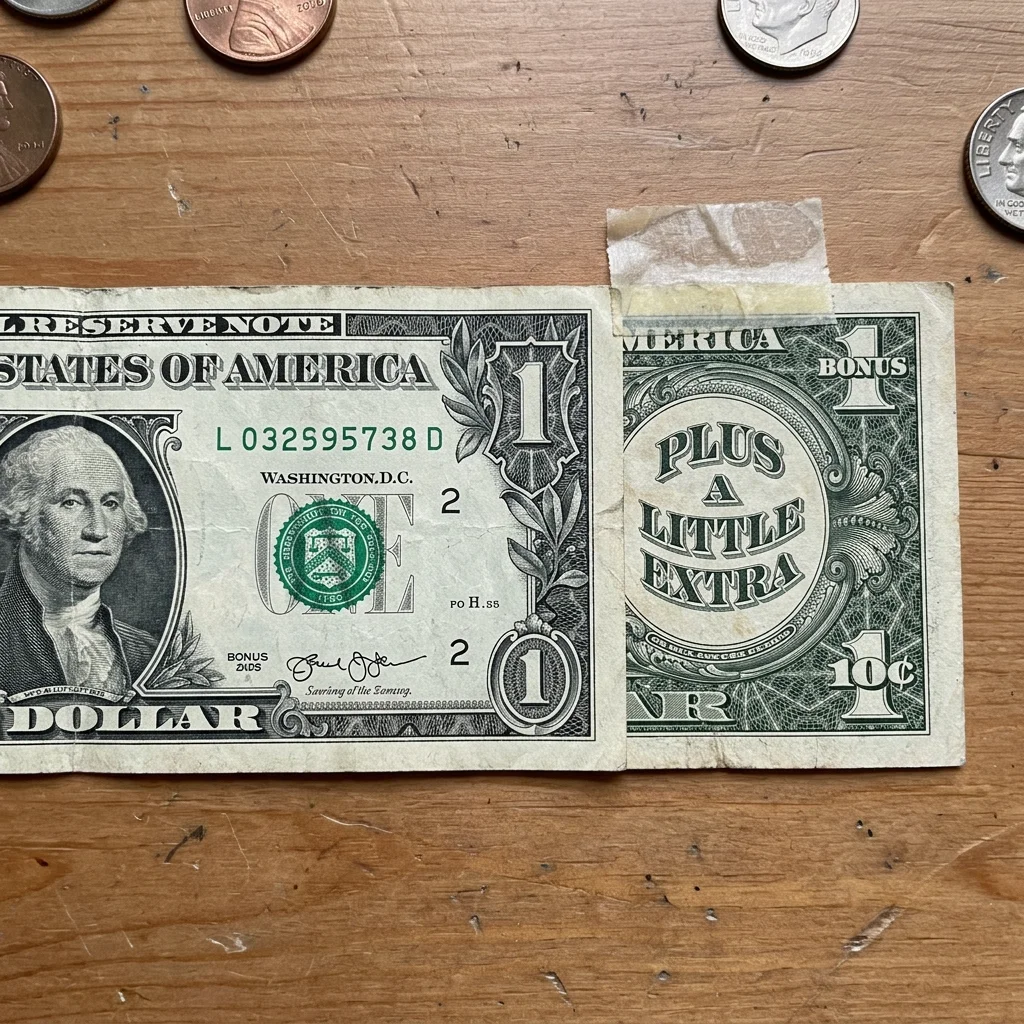
A US dollar bill is approximately 6.14 inches long. That makes it a helpful reference when estimating 7 inches, although it falls short of the target measurement.
To reach 7 inches, you would need to add about 0.86 inches, or a little over two centimeters, to the bill’s length.
US paper currency has standardized dimensions, which makes it more dependable as a reference than many household objects. However, this comparison is useful only if you have access to a US banknote.
How to visualize it: Picture the length of a dollar bill, then imagine adding a small extra section at one end.
A Large Kitchen Spoon

Some large serving spoons measure around 7 inches long, although smaller eating spoons and oversized serving utensils can differ substantially.
The overall length includes both the bowl and the handle. Measuring only the handle would give you a shorter distance, so consider the entire utensil when making this comparison.
Serving spoons come in many designs. A compact spoon intended for individual use may be considerably shorter, while a long-handled spoon designed for deep pots may extend well beyond 7 inches.
How to visualize it: Imagine a relatively large spoon resting flat on your kitchen counter, measured from the end of its handle to the tip of its bowl.
A Small Smartphone’s Width and Height Comparison

Many modern smartphones are longer than 7 inches when measured from top to bottom. However, some compact phones and older models approach this length, making them useful reference objects when their exact dimensions are known.
The distinction between a phone’s length and width matters here. A device that measures around 7 inches tall may be only about 3 inches wide, depending on its design.
Phone sizes have changed over the years, and screen size is not the same as the device’s total height. Manufacturers typically report the screen diagonally, while the body has separate height and width measurements.
How to visualize it: If you own a phone with a published height close to 7 inches, stand it upright and use its full body length as a reference.
A Small Tablet’s Screen Diagonal
A tablet advertised with a 7-inch screen offers one of the most direct examples of the measurement. The important detail is that the 7-inch figure usually refers to the diagonal of the display, not the device’s width or height.
A tablet with a 7-inch diagonal screen can be much wider than 7 inches only in unusual circumstances, but its actual display width is normally shorter than the diagonal. The complete device may also have a slightly larger diagonal because of its surrounding bezel.
Compact tablets are designed to be portable and easy to hold, which makes them useful examples of how a 7-inch measurement appears in everyday technology.
How to visualize it: Picture a straight line running from one corner of the display to the opposite corner. That line measures 7 inches on a device with a 7-inch screen.
A Small Side Plate

Some small side plates measure around 7 inches across, although many common side plates are larger. The diameter is measured straight across the plate through its center, not around its curved edge.
A 7-inch plate is suitable for modest servings, snacks, desserts, or small portions. Dinnerware sizes vary by manufacturer, and product descriptions often distinguish side plates from larger dinner plates.
The plate’s rim can make its usable flat surface smaller than the overall diameter. This matters when deciding whether a plate will hold a particular item or fit into a storage space.
How to visualize it: Imagine a small plate that spans just under 18 centimeters from one outer edge to the other.
A Compact Flashlight
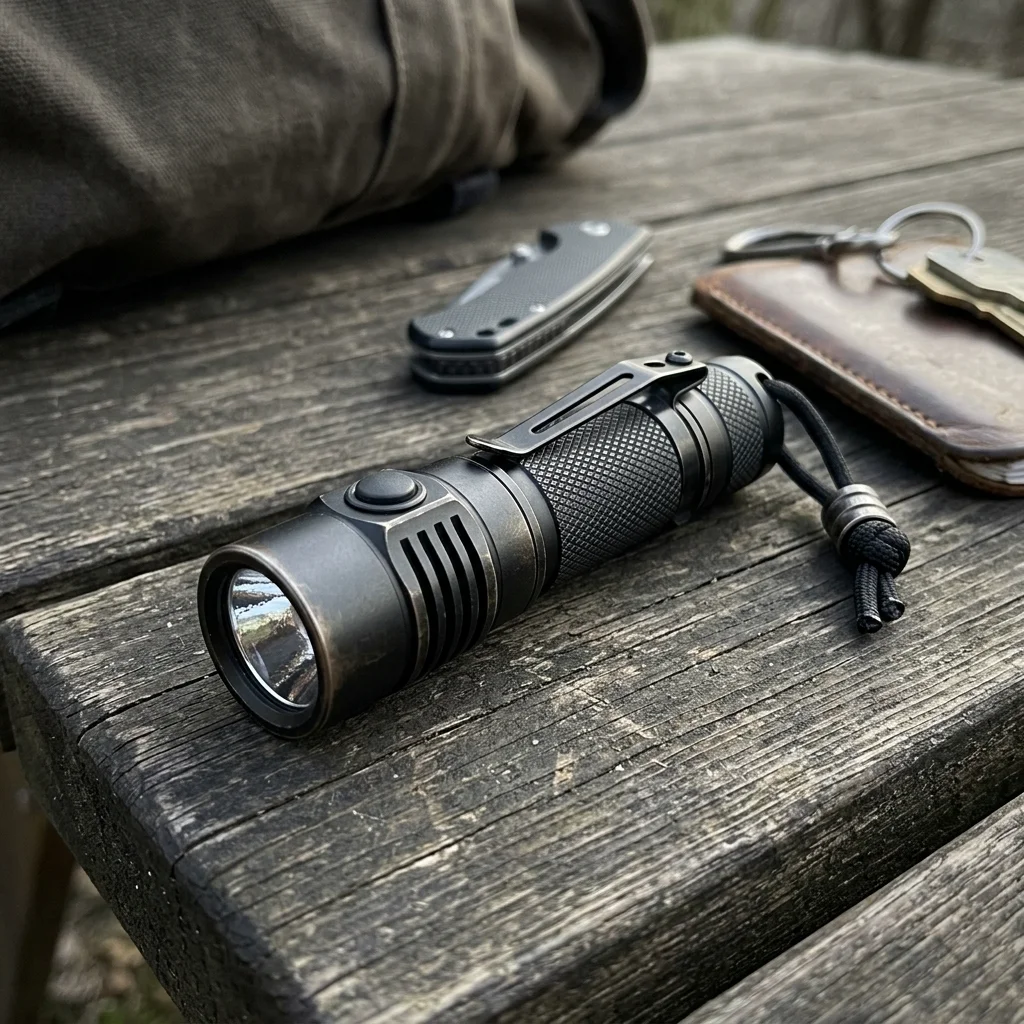
A compact handheld flashlight can measure approximately 7 inches long, depending on its battery type, lens, grip, and intended use.
This length is common enough among certain everyday flashlights to make them a useful reference, but not all models fit the measurement. Pocket flashlights may be much shorter, while large tactical or rechargeable models can be longer.
The body length is generally measured from the front of the lens housing to the rear end of the flashlight. Accessories or removable attachments may affect the overall measurement.
How to visualize it: Picture a flashlight resting horizontally in your hand, extending roughly 18 centimeters from front to back.
A Short Ruler
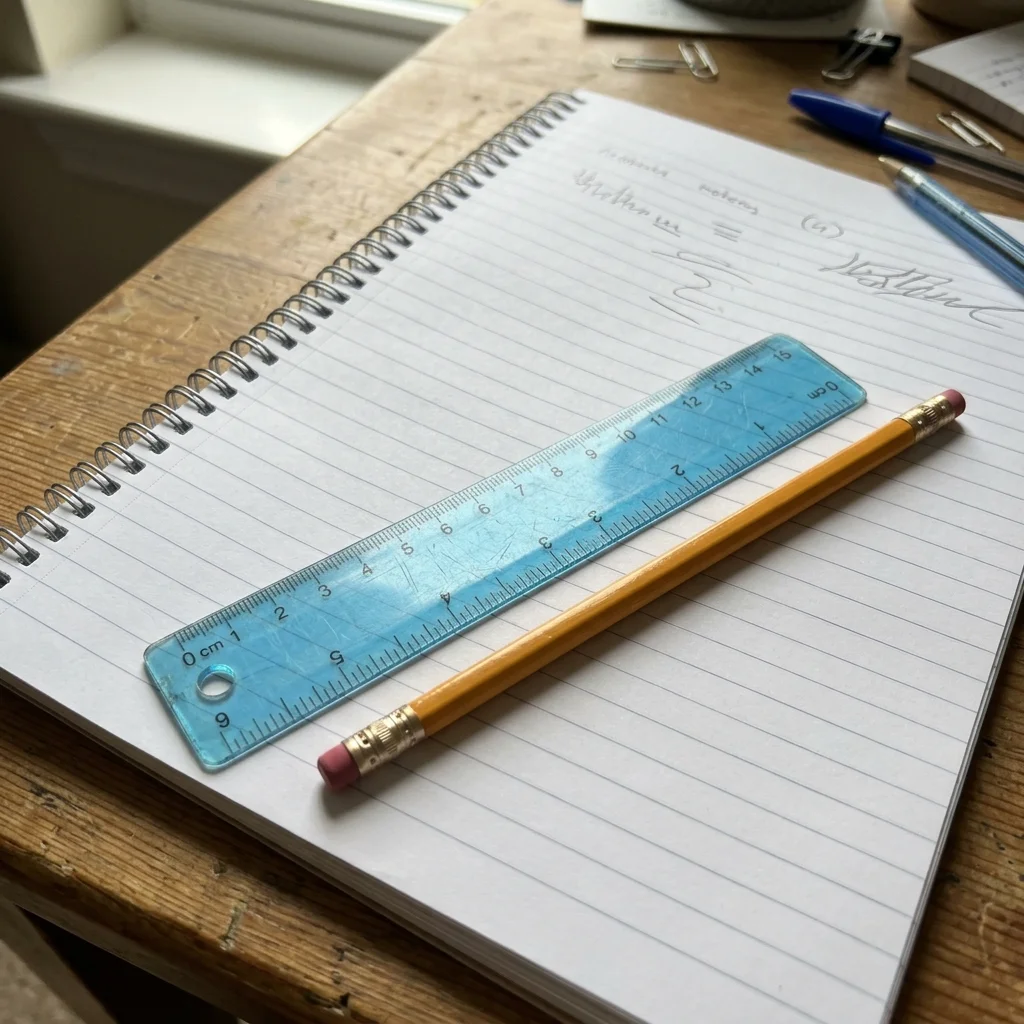
A short ruler or measuring guide that spans 7 inches is an especially straightforward reference because it uses the same unit you are trying to visualize.
Not every ruler is 7 inches long. Many classroom rulers measure 12 inches, while compact pocket rulers and specialized measuring tools come in different lengths.
A ruler with clearly printed inch marks lets you see the target measurement directly, without having to estimate from an object’s overall size.
How to visualize it: Find the zero mark and follow the scale to the 7-inch mark. The distance between those marks is exactly 7 inches, even if the ruler itself extends farther.
A Small Hand Tool
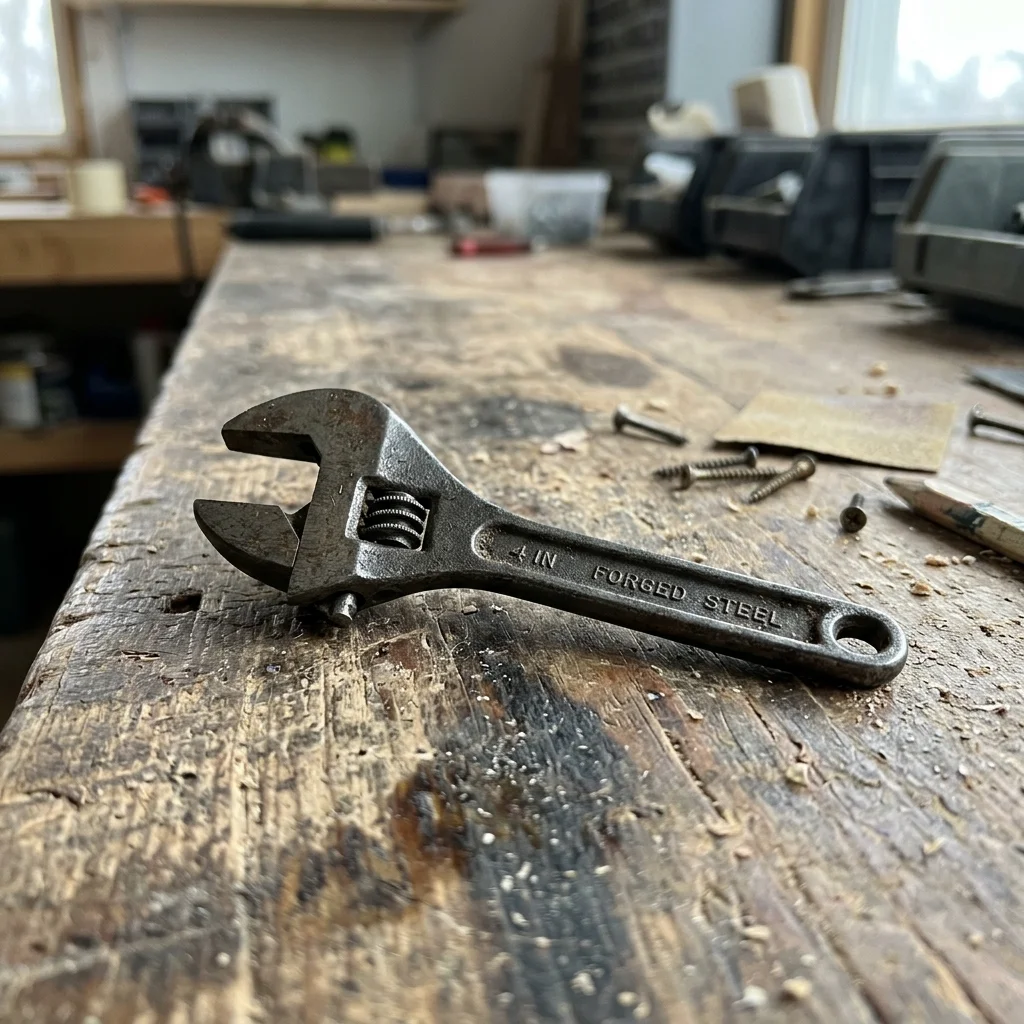
Certain compact hand tools, such as small pliers or screwdrivers, can be around 7 inches long. Their dimensions depend on the tool type and whether the measurement includes handles, jaws, or other projecting parts.
A screwdriver’s total length may include the handle and shaft, while manufacturers sometimes list the shaft length separately. Pliers are generally measured from the handle ends to the tips of their jaws.
This makes hand tools useful visual references but less reliable than standardized measuring equipment unless you know their actual dimensions.
How to visualize it: Picture a small tool stretching across a workbench for a distance just short of 18 centimeters.
A Small Hairbrush

Some compact hairbrushes measure approximately 7 inches from the end of the handle to the opposite edge of the brush head.
Travel brushes may be shorter, while full-size styling brushes can be considerably longer. The shape also affects how long the brush appears when viewed from above.
This is a convenient comparison if you are estimating space in a toiletry bag, drawer, or travel case. The overall length matters more than the width of the bristle area.
How to visualize it: Imagine a small hairbrush lying flat, with its handle and brush head together spanning around 18 centimeters.
A Small Wooden Craft Board

A craft board cut to 7 inches provides a clear example of a fixed length. Unlike a manufactured household item, a piece of wood can be cut to precisely the dimension required for a project.
Seven-inch boards can be useful for small shelves, craft decorations, model-making, and other DIY tasks. The width and thickness are separate measurements and should not be confused with the board’s length.
If you are working from a plan, remember that the final cut may need to account for the thickness of the saw blade and the exact position of the cut.
How to visualize it: Picture a rectangular piece of wood measuring 7 inches from one short end to the other.
A Compact Hair Clipper
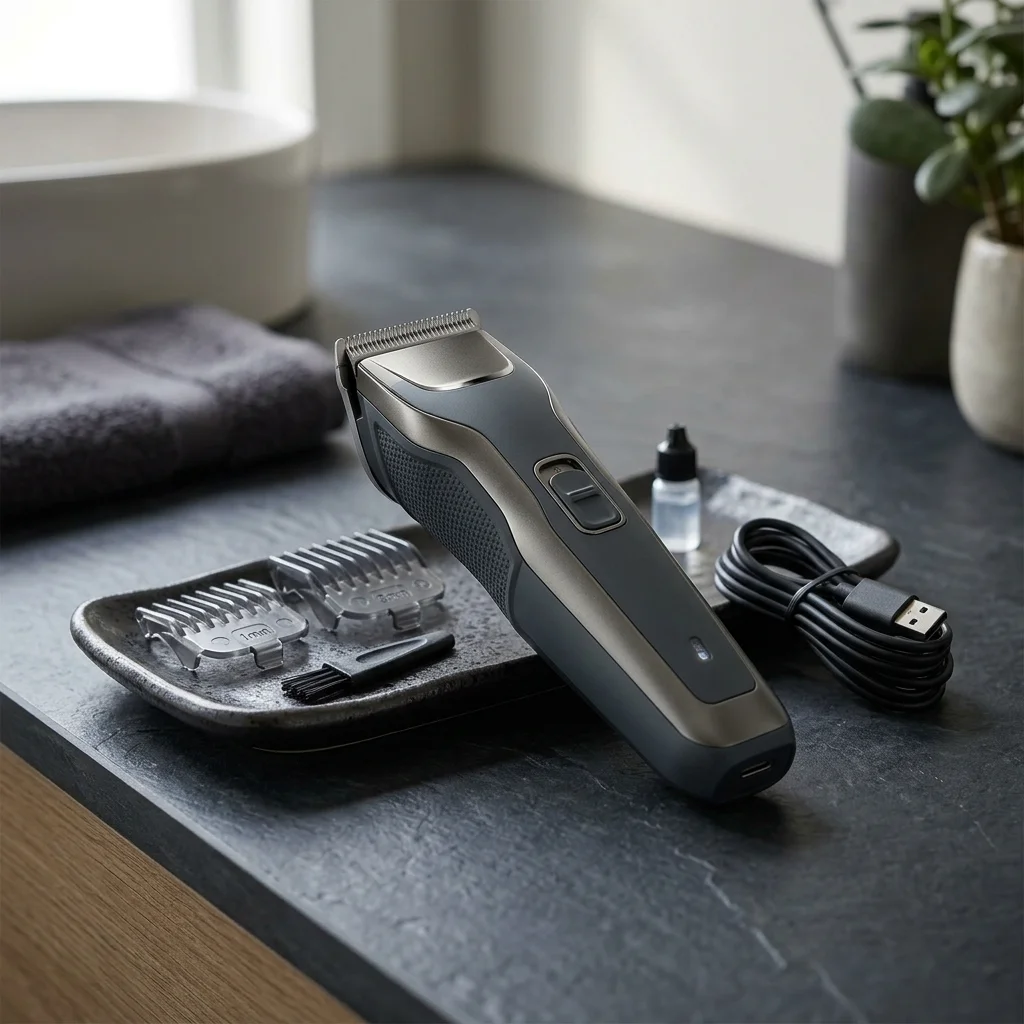
Some compact electric hair clippers measure close to 7 inches in total length, although their size varies with the motor housing, handle shape, and attachments.
The overall length is measured from the lowest point of the body to the top of the cutting head. A removable comb guard may add to the length when attached in a particular orientation.
This is a useful comparison for people shopping for grooming equipment or trying to estimate whether a clipper will fit into a storage pouch.
How to visualize it: Imagine holding a compact clipper in your hand, with the complete device spanning approximately 18 centimeters.
The Screen Question: Is a 7-Inch Display Actually 7 Inches Wide?
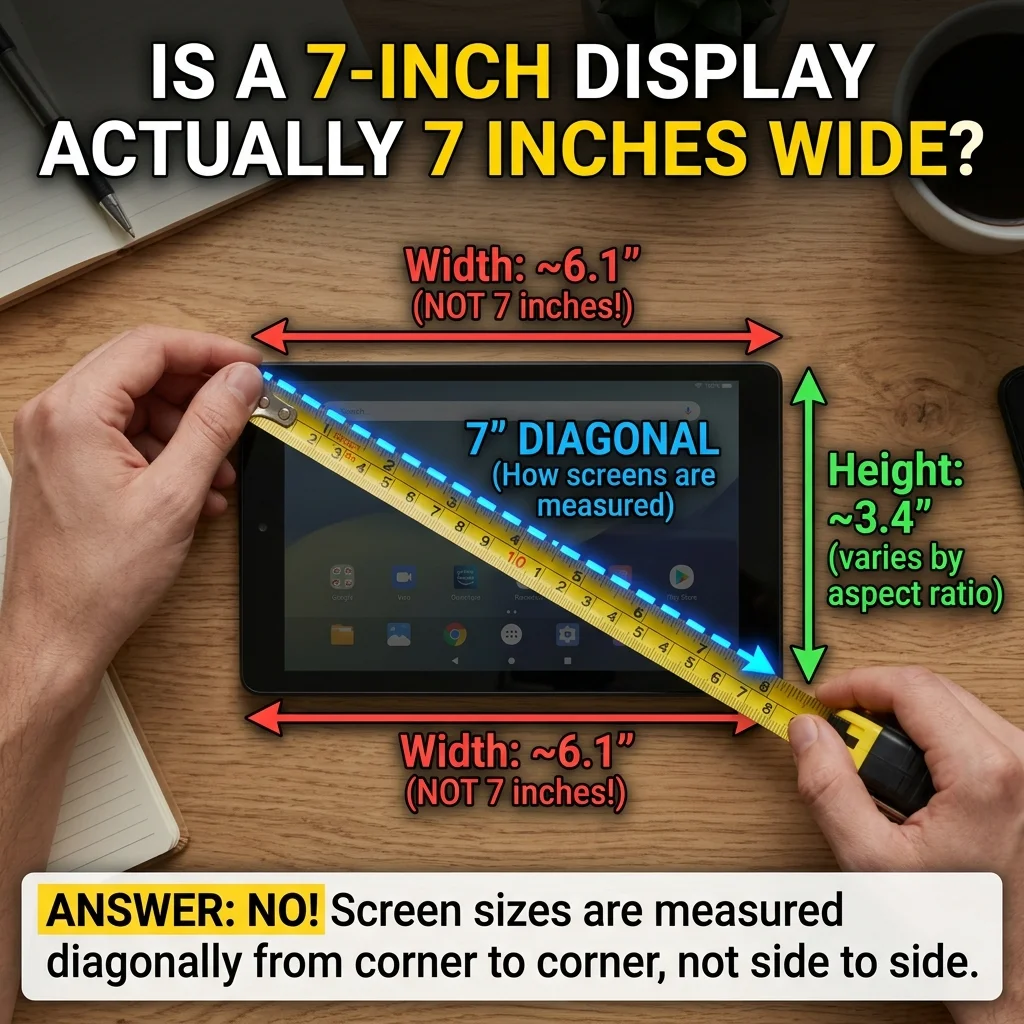
Not usually. When a phone, tablet, or other display is described as having a 7-inch screen, that measurement generally refers to the diagonal distance across the visible display.
The diagonal runs from one corner of the screen to the opposite corner. The width and height are smaller than that diagonal, and their exact values depend on the screen’s aspect ratio.
For example, consider a hypothetical 7-inch screen with a 16:9 aspect ratio.
Using the geometry of a rectangle, its approximate dimensions are:
| Screen Dimension | Approximate Measurement |
|---|---|
| Diagonal | 7 inches |
| Width | 6.10 inches |
| Height | 3.43 inches |
| Width in centimeters | 15.49 cm |
| Height in centimeters | 8.71 cm |
These are calculated display dimensions, not measurements of a particular tablet. The outer body will generally be larger, and other screen aspect ratios produce different width and height measurements.
This distinction is useful when buying a tablet, checking a device mount, or deciding whether a screen will fit into a particular space. Always check the manufacturer’s complete product dimensions rather than relying on the advertised diagonal alone.
Getting to 7 Inches Without a Tape Measure

You can estimate 7 inches without carrying a ruler, provided you treat household comparisons as approximations rather than exact measurements.
Here are four practical methods.
Use an A4 Sheet of Paper
A standard A4 sheet measures 8.27 inches along its shorter side. Seven inches is therefore 1.27 inches shorter than that edge.
If you are familiar with A4 paper, imagine a line that covers most of the short side but stops a little over an inch before the opposite edge.
This is a convenient method in offices, schools, and homes where printer paper is readily available.
Compare It With a US Dollar Bill
A US dollar bill is about 6.14 inches long. Add approximately 0.86 inches to one end to visualize a total length of 7 inches.
This method is helpful if you have a banknote available, but remember that currency from other countries has different dimensions.
Use Your Hand as a Rough Guide
Some adults have a hand length close to 7 inches when measured from the wrist crease to the tip of the middle finger. Others have noticeably shorter or longer hands.
If your hand happens to measure about 7 inches, it can become a convenient personal reference. Do not assume that someone else’s hand will provide the same result.
For a more reliable estimate, measure your hand once and remember its length.
Use a Ruler You Already Own
A standard 12-inch ruler can help you visualize 7 inches immediately. Locate the zero mark and follow the markings until you reach 7.
Seven inches is more than half the ruler’s length: it represents 58.3% of the total 12 inches.
This is the best option when accuracy matters. Household comparisons can help you estimate a measurement, but they cannot replace a properly calibrated measuring tool.
Frequently Asked Questions
How many feet is 7 inches?
Seven inches equals approximately 0.5833 feet. In everyday terms, it is seven-twelfths of a foot, which is less than one full foot.
How many centimeters is 7 inches?
Seven inches equals 17.78 centimeters. This is slightly less than 18 cm, making 18 centimeters a useful rough reference when estimating the length.
How many millimeters is 7 inches?
Seven inches equals 177.8 millimeters. To convert inches into millimeters, multiply the number of inches by 25.4.
How many meters is 7 inches?
Seven inches equals 0.1778 meters. It is just under 0.18 meters, which is another way to express a length close to 18 centimeters.
Is 7 inches considered long?
That depends on what you are measuring. Seven inches is relatively long for some handheld objects, such as compact tools, but short compared with furniture, large screens, or many household fixtures.
What everyday object is about 7 inches long?
A full-length wooden pencil, a compact flashlight, or certain serving spoons may be close to 7 inches. Their actual dimensions vary, so check the object if you need an accurate measurement.
Can I measure 7 inches using my hand?
Yes, if you know your hand’s approximate length. Some adults have a hand length close to 7 inches from the wrist crease to the tip of the middle finger, but individual measurements differ.
Is a 7-inch tablet screen 7 inches wide?
No. A tablet’s advertised screen size normally refers to its diagonal measurement. Its width and height depend on the aspect ratio, and the complete device is usually larger than the visible screen.
Where That Leaves You
Seven inches is equal to 17.78 cm, 177.8 mm, 0.1778 meters, and approximately 0.5833 feet. Once you know those conversions, switching between imperial and metric measurements becomes much easier.
For everyday visualization, a full-length pencil, a compact flashlight, or a small serving spoon can provide a useful starting point. A standard A4 sheet of paper is another handy reference because its shorter edge is a little longer than 7 inches.
The key is to remember that familiar objects are estimates, not measuring standards. If you only need a rough idea of the length, these comparisons will do the job. If you are cutting material, buying a product that must fit a specific space, or completing a precise project, use a ruler or tape measure to confirm the actual dimension.